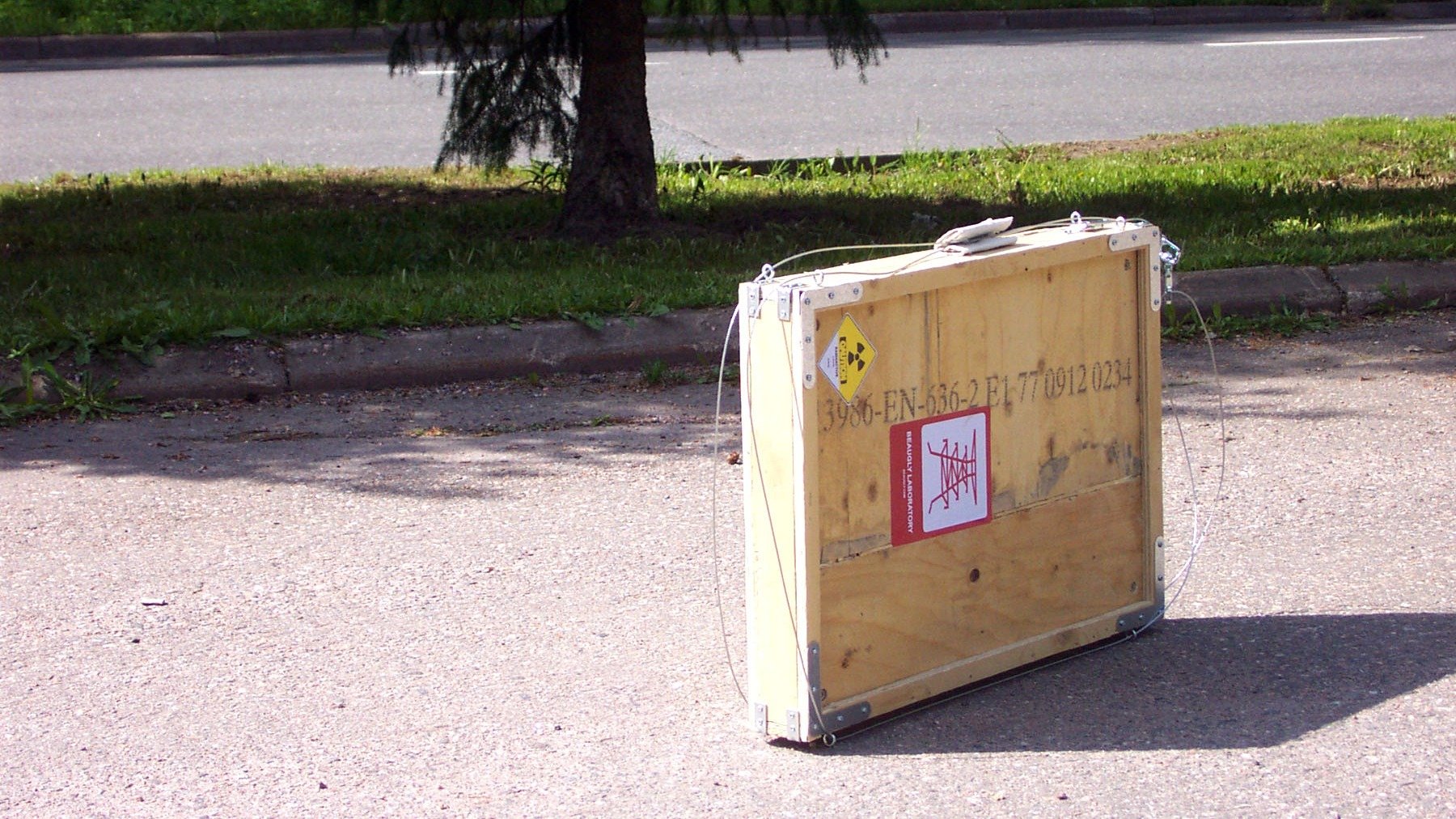
performance for monster project / 2007
Monster Project Part 1
: The Story Behind the Creatures
Sometimes I doubted whether my Beaugly works were anything more than monstrous forms. The further the project progressed, the more grotesque they became. But then I remembered how Pablo Picasso's and Salvador Dali's works looked like monsters to me as a child. The reason was simple: back then, I didn't understand the meaning of their work or its artistic context. Images transformed by artists can become art when placed within an artistic framework. However, without that context—when there's only a vague fear of strange images—they become monsters.
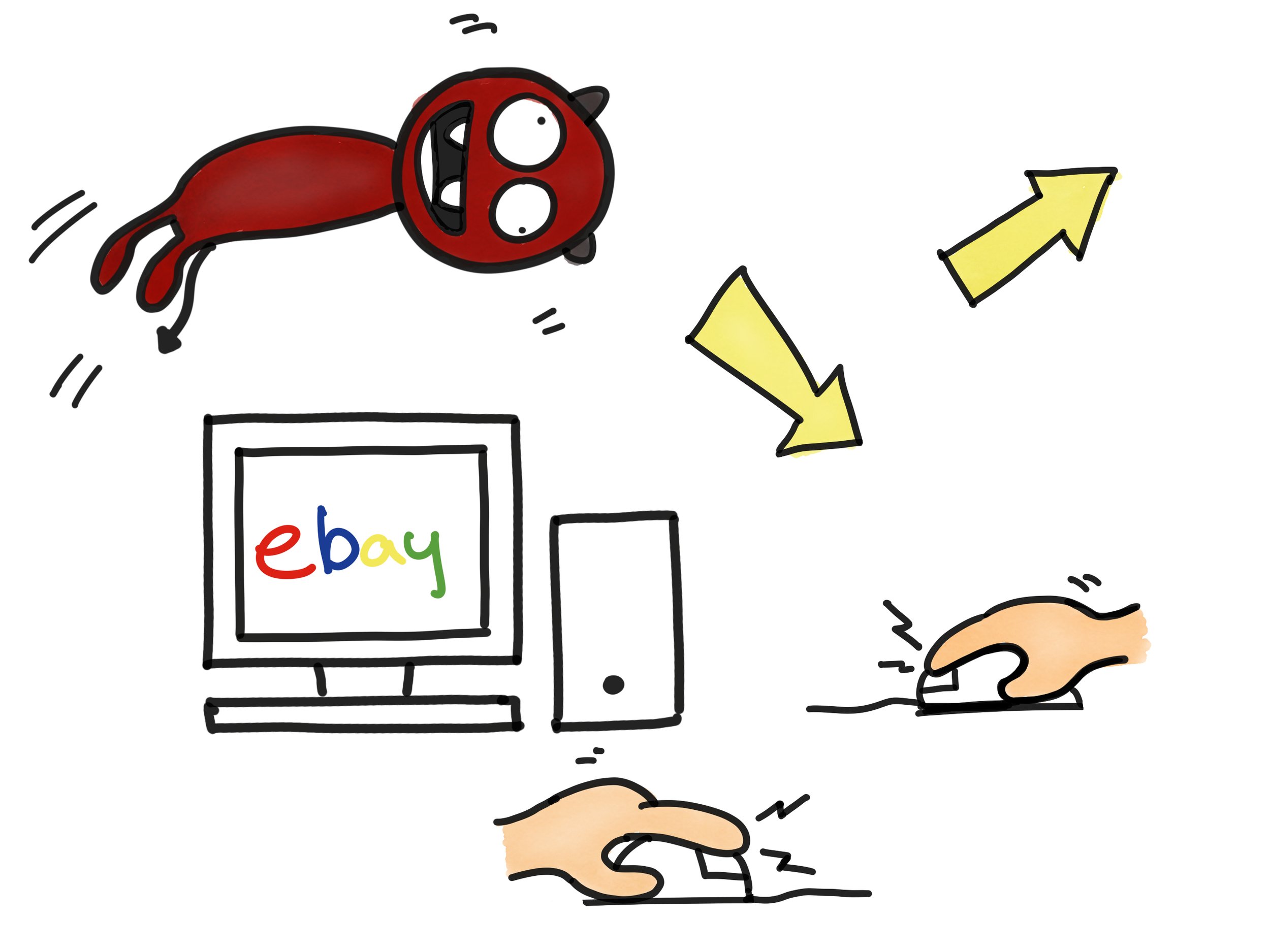
I came across a fascinating article about a girl who couldn't sleep for days because she believed a monster lived under her bed. Her mother sold the girl's drawings of the monster on eBay, along with various odds and ends the girl associated with the creature. This story inspired me to merge my Beaugly with the monster imagery that frightened children like her. It was a perfect idea: if I could purchase those monster drawings and create Beaugly-style containment devices based on them, I would eliminate her monster while successfully combining my Beaugly with her monster imagery. I tried to buy it on eBay, but it had already sold.
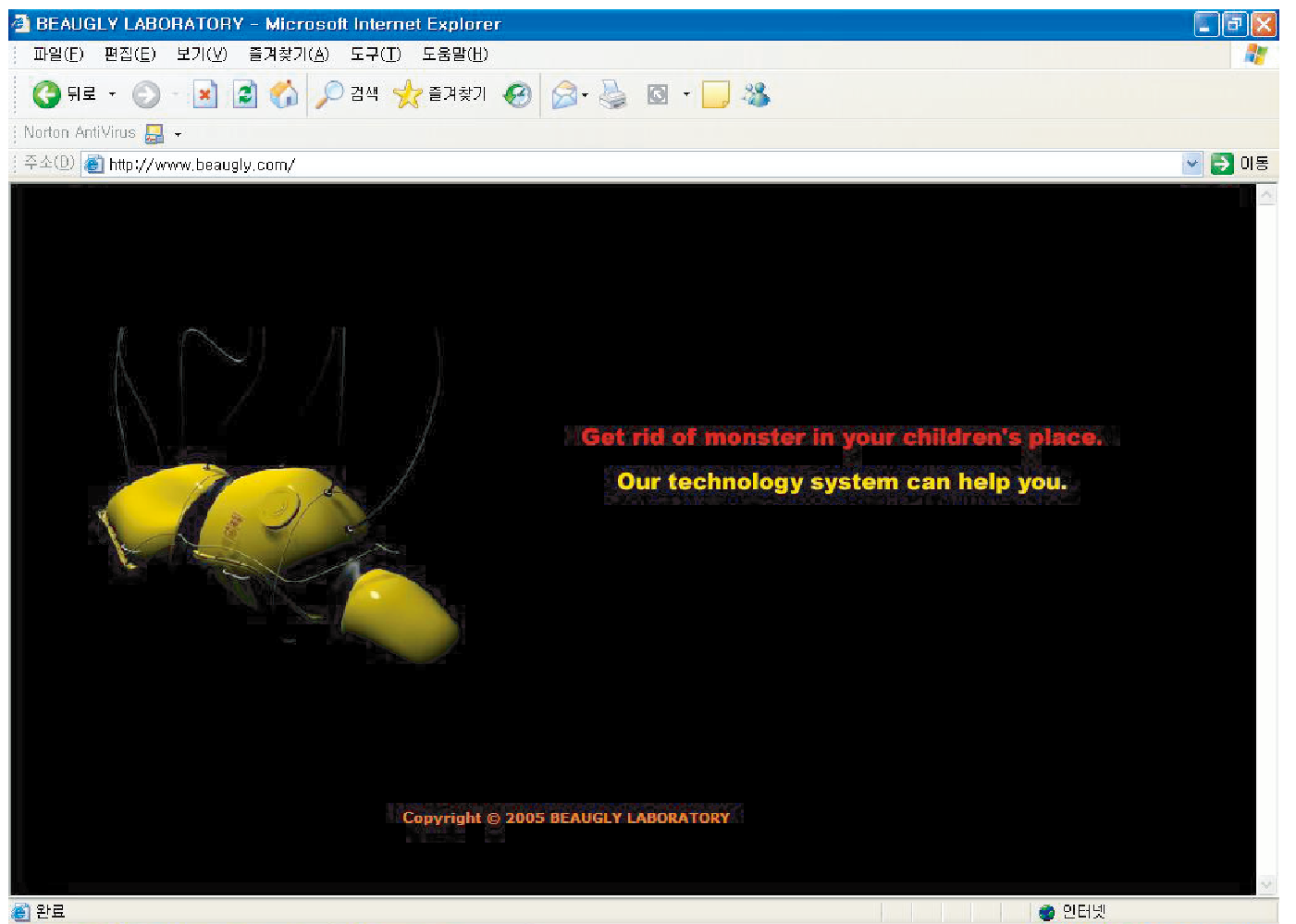
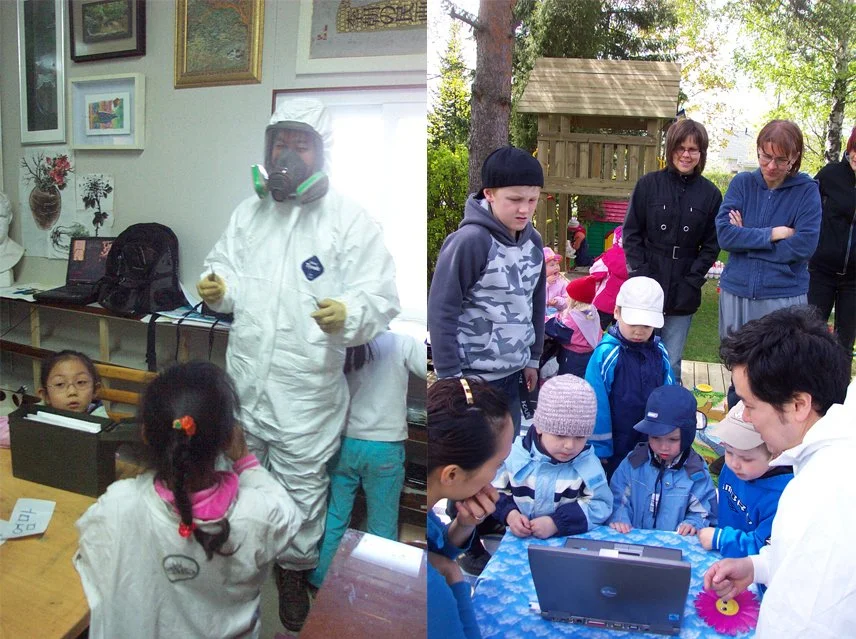
So I created an imaginary Monster Laboratory on the website www.beaugly.com to collect monster images. I also visited several kindergartens and art institutes, introducing myself as a researcher from the Monster Laboratory to gather children's monster drawings. Beyond their artwork and descriptions, their everyday environments provided valuable reference material for developing the work.
The finished pieces, created from these materials and my imagination, don't directly reveal the monsters the children drew. Instead, they take the form of containment devices. Viewers see these monster containment units—co-created by me and the children—and imagine what might be trapped inside, conjuring their own monsters, their own Beaugly. The presence of these devices in the exhibition also signifies that the monsters no longer lurk near the children who drew them. Thus, the containment device becomes both a space for play and a means of addressing fear.